Android Malware: A Growing Threat to Mobile Security

Android malware is a rising cybersecurity concern, with hackers deploying malicious apps to steal personal data, track user activity, and compromise device security. These threats often disguise themselves as legitimate applications on the Google Play Store or third-party sites, tricking users into granting dangerous permissions. Once installed, malware can steal credentials, inject spyware, and even take control of devices. To stay safe, always download apps from trusted sources, keep software updated, and use a reliable mobile security solution.

Stay vigilant—protect your device from Android malware today!

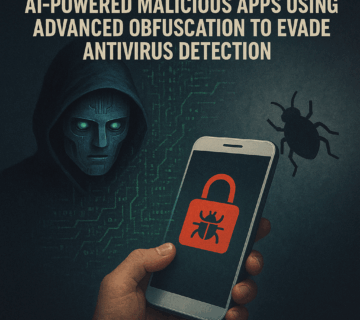
AI-Powered Malicious Apps Using Advanced Obfuscation to Evade Antivirus Detection

AI-Powered Malicious Apps Using Advanced Obfuscation to Evade Antivirus Detection

Mobile cybersecurity, highlighting a sophisticated Android malware campaign that leverages artificial intelligence for advanced code obfuscation. This malicious software disguises itself as legitimate package tracking services to trick users into granting permissions, subsequently harvesting sensitive data undetected. A key innovation involves the malware using AI to transform code into randomized Korean characters to evade traditional antivirus software, while also exfiltrating stolen information through compromised but trusted legitimate websites. The text concludes by emphasizing the inadequacy of standard security measures against these adaptive threats and promotes the comprehensive, multi-layered cybersecurity services offered by Technijian to combat such AI-powered mobile risks. ... Read More
SpyLend Malware

SpyLend Malware on Google Play: Indian Users at Risk of Credential Theft!

A new Android malware called SpyLend is targeting Indian users through a fake finance app on the Google Play Store. This malware steals login credentials, personal data, and financial information by exploiting permissions and monitoring the clipboard. SpyLend uses tactics like blackmail and fake loan applications to trick users into downloading malicious APKs. The malware also evades detection using WebView API and a custom Command & Control server to harvest user credentials. Enterprises and users are advised to follow cybersecurity measures such as avoiding unknown apps, checking permissions, and using anti-malware tools to stay safe. ... Read More