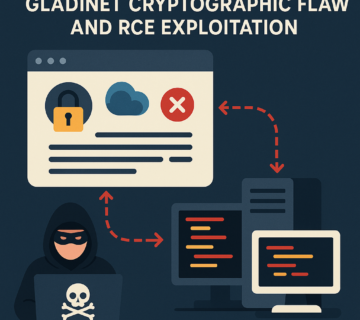
Gladinet Cryptographic Flaw

Hackers Exploit Gladinet CentreStack Cryptographic Flaw in RCE Attacks: What IT Leaders Need to Know

An urgent security bulletin regarding a critical cryptographic flaw in Gladinet CentreStack and Triofox file-sharing platforms, explaining how the vulnerability allows hackers to achieve remote code execution (RCE) using hardcoded encryption keys. The source details the technical mechanics of the flaw, noting that universal static keys and initialization vectors enable attackers to forge access tickets to steal credentials and gain unrestricted file access. Furthermore, the text outlines immediate remediation steps, including applying the critical patch and rotating machine keys, and stresses the importance of forensic investigation to detect pre-patch exploitation. Finally, the document uses this incident to advocate for improved vendor security evaluation and proper cryptographic best practices, with a section where the IT firm Technijian offers its managed services for remediation and long-term defense to Southern California businesses. ... Read More
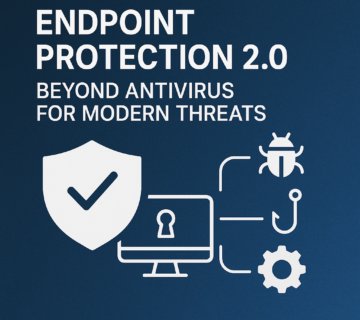
Endpoint Protection 2.0: Beyond Traditional Antivirus

Endpoint Protection 2.0: Beyond Antivirus for Modern Threats

Modern businesses need more than traditional antivirus to combat today's sophisticated cyber threats. Endpoint Protection 2.0 combines next-generation security technologies including behavioral analysis, zero-trust architecture, and 24/7 monitoring to defend against ransomware, zero-day exploits, and advanced attacks. Technijian's managed endpoint security services provide Southern California businesses with enterprise-grade protection through comprehensive device management, automated threat response, and expert security operations. Contact Technijian at (949) 379-8499 or visit technijian.com to schedule your complimentary endpoint security assessment and discover how modern endpoint protection secures your distributed workforce against evolving cyber threats. ... Read More
Cybercriminals Exploit Google Ads to Spread macOS Malware

Cybercriminals Exploit Google Ads to Spread macOS Malware Through Fake AI Conversations

A sophisticated new malware campaign targeting macOS users that exploits public trust in artificial intelligence platforms. This attack, which utilizes the AMOS infostealer, begins when cybercriminals purchase Google search advertisements that direct victims to seemingly helpful conversations on AI platforms like ChatGPT or Grok, which contain malicious terminal commands. When executed, these commands install the AMOS malware to systematically steal sensitive information, including cryptocurrency wallet data, browser credentials, and macOS Keychain contents. The text emphasizes that this is a dangerous evolution in social engineering, relying on victims to unknowingly grant administrative privileges. Finally, the sources shift to a promotional focus, with Technijian presenting itself as a managed IT services provider that offers advanced security solutions, incident response, and user awareness training to protect organizations from such sophisticated threats. ... Read More
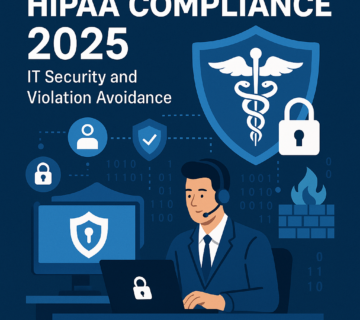
HIPAA Compliance 2025

HIPAA Compliance in 2025: Avoid Costly IT Mistakes

Heightened requirements for HIPAA compliance in 2025, emphasizing the severe financial and reputational consequences for healthcare organizations that fail to secure patient data. It addresses the Evolving cyber threat landscape due to trends like telehealth and cloud computing, which necessitate a proactive approach to security. The text lists Common IT mistakes leading to violations, such as inadequate risk assessments and weak access controls, and details the necessary Administrative, physical, and technical safeguards required by the HIPAA Security Rule. Ultimately, the article advocates for adopting Best practices, including Zero Trust Architecture and regular penetration testing, and positions the company Technijian as a comprehensive partner for achieving and maintaining compliance through specialized IT security services. ... Read More
Windows PowerShell Now Warns When Running Invoke-WebRequest Scripts

Windows PowerShell Now Warns When Running Invoke-WebRequest Scripts: What IT Teams Need to Know

A critical security update by Microsoft for Windows PowerShell 5.1 that introduces mandatory security warnings when using the Invoke-WebRequest cmdlet, addressing a high-severity remote code execution vulnerability (CVE-2025-54100). This change requires IT teams to modify automation scripts to include the -UseBasicParsing parameter, which prevents the execution of embedded scripts during web content retrieval and avoids operational disruptions caused by new confirmation prompts. Furthermore, the text advocates for broader PowerShell security best practices, such as script signing, least privilege, and comprehensive logging, while strongly recommending migration to the more secure, modern platform of PowerShell 7. Finally, the text includes a section from a managed IT service provider, Technijian, offering professional services to help organizations manage this transition, audit scripts, and implement enhanced security frameworks in the Southern California area. ... Read More