


AI-Powered Phishing: Smarter Cyber Attacks and How to Defend Against Them

AI-powered phishing is one of the fastest-growing cyber threats, using artificial intelligence to craft highly convincing and targeted attacks. Unlike traditional phishing, AI-driven methods can analyze user behavior, mimic writing styles, and generate realistic messages that are difficult to detect. Cybercriminals also leverage deepfakes and voice cloning to trick victims into sharing sensitive information or authorizing fraudulent transactions. These advanced techniques make AI phishing more dangerous and harder to stop. To stay protected, organizations must deploy AI-based cybersecurity tools, invest in employee aware

Emergency patch advisory cybersecurity 360x320

Emergency Patch Advisory: What US Businesses Must Do Right Now About SonicWall, Citrix, and AI Phishing Risks

This comprehensive emergency patch advisory focuses on SonicWall and Citrix exposure risks alongside the growing use of AI-assisted phishing against US businesses. Designed for security leaders, IT managers, and executive decision-makers across Orange County and the broader United States, this guide explains how to identify internet-facing systems, verify official vendor advisories, prioritize tested updates, strengthen remote-access controls, enforce phishing-resistant multifactor authentication, and review identity and logging protections. We examine practical assessment triggers, evidence requirements, employee awareness steps, and incident-readiness procedures that reduce breach exposure. Organizations are encouraged to evaluate their current security posture, document remediation ownership, and establish repeatable verification routines for resilient daily operations. ... Read More
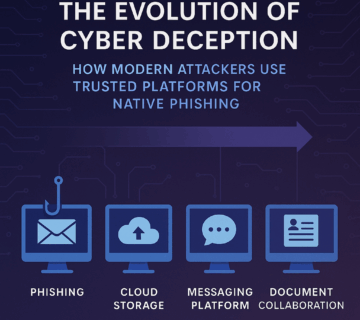
Native phishing attack techniques

The Evolution of Cyber Deception: How Modern Attackers Use Trusted Platforms for Native Phishing

Native phishing, a sophisticated cyberattack method that exploits legitimate features within trusted enterprise applications like Microsoft OneNote and OneDrive to steal credentials. Unlike traditional phishing, these attacks generate seemingly authentic notifications, bypassing standard security measures and leveraging AI-powered website builders to create convincing fake login portals. The text emphasizes the importance of user awareness training that goes beyond traditional phishing indicators, focuses on behavioral monitoring within collaboration platforms, and advocates for multi-layered defense strategies incorporating robust identity management and integrated security technologies. Finally, the text introduces Technijian, a managed IT services provider offering comprehensive cybersecurity solutions, including advanced threat detection, incident response, and tailored security awareness training to combat evolving threats like native phishing campaigns. ... Read More