
AI Security and Compliance

AI Security and Compliance for Enterprises: How to Deploy GenAI Without Leaking Your Data

AI Security and Compliance is now a critical priority for enterprises deploying generative AI tools. As employees increasingly use platforms like ChatGPT and AI-powered applications, organizations face rising risks such as data leakage, shadow AI usage, prompt injection attacks, and regulatory non-compliance. This guide explains the key AI security threats facing enterprises in 2026 and provides a practical governance framework to deploy AI safely while protecting sensitive data. It outlines how organizations can implement secure AI architectures, enforce data loss prevention policies, conduct AI penetration testing, and maintain compliance with regulations such as CCPA, HIPAA, SOC 2, and the EU AI Act. ... Read More
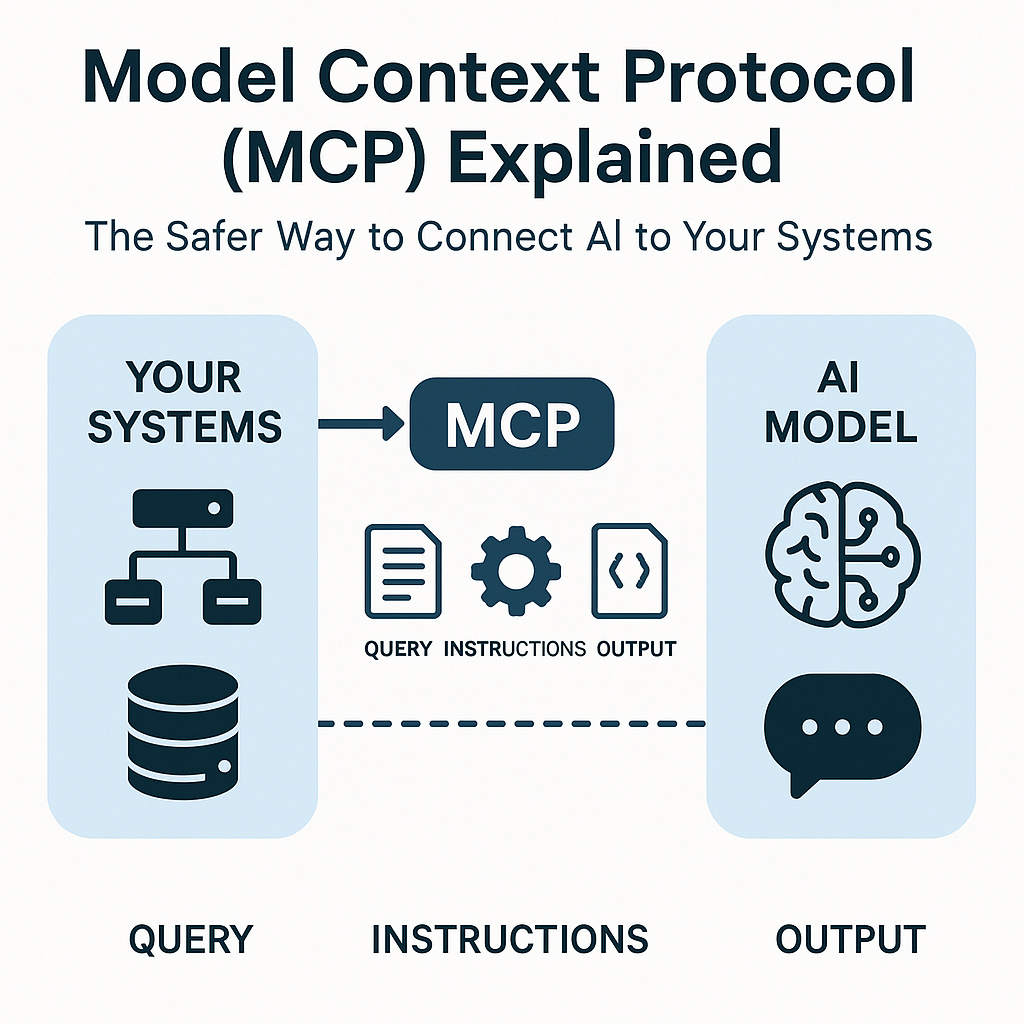
Model Context Protocol (MCP) Explained

Model Context Protocol (MCP) Explained: The Safer Way to Connect AI to Your Systems

An extensive overview of the security risks associated with integrating Artificial Intelligence (AI) tools—such as ChatGPT and Claude—into business systems, highlighting that this creates a massive, often unsecured, attack surface. It explains the Model Context Protocol (MCP), an open standard designed to standardize these integrations, but stresses that adopting MCP without proper security controls creates “keys to the kingdom” scenarios vulnerable to attacks like prompt injection and token theft. The text then outlines a comprehensive, 12-step security implementation playbook that organizations, particularly Small and Mid-sized Businesses (SMBs), must follow to safely deploy MCP, including mandatory authentication, robust input validation, and continuous security testing. Finally, the document details the services offered by Technijian, an IT provider specializing in secure MCP architecture design and AI security management to help SMBs navigate these complex threats and maintain compliance. ... Read More