

Email Security: Safeguarding Your Communications

Email security is crucial for protecting sensitive information and ensuring safe communication. Here are some best practices:

  1. Use Strong Passwords: Create unique, complex passwords and update them regularly.
  2. Enable Two-Factor Authentication (2FA): Add an extra layer of security by requiring a second verification step.
  3. Beware of Phishing Attacks: Avoid clicking on suspicious links or downloading unknown attachments. Verify sender authenticity.
  4. Encrypt Emails: Use encryption tools like S/MIME or PGP to secure sensitive email content.
  5. Update Software: Ensure your email client and antivirus software are up to date to guard against vulnerabilities.
  6. Avoid Public Wi-Fi: When accessing emails on the go, use a VPN to secure your connection.
  7. Monitor for Unauthorized Access: Regularly check login activity and revoke access for unrecognized devices.

By prioritizing email security, you can mitigate risks and protect sensitive data from cyber threats.

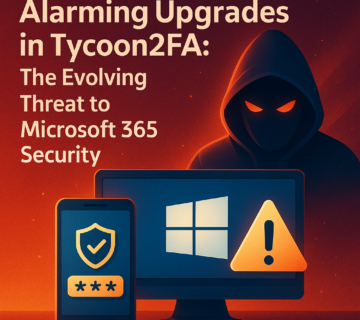
Alarming Upgrades in Tycoon2FA

Alarming Upgrades in Tycoon2FA: The Evolving Threat to Microsoft 365 Security

Emergence and increasing sophistication of Tycoon2FA, a Phishing-as-a-Service platform specifically designed to bypass multi-factor authentication, particularly for Microsoft 365 and Gmail accounts. It highlights new evasion techniques employed by Tycoon2FA, such as invisible Unicode characters, custom CAPTCHAs, and anti-debugging scripts, making it a significant threat. The text also discusses a surge in phishing attacks leveraging malicious SVG files to deliver credential-stealing JavaScript. Finally, it offers recommendations for defense, including blocking SVG attachments, using phishing-resistant MFA, and enhancing employee awareness, while also briefly introducing Technijian as a provider of relevant security services. ... Read More
Google Calendar & Drawings to Bypass Email Security

Hackers Exploit Google Calendar & Drawings to Bypass Email Security

Cybercriminals are exploiting Google Calendar and Google Drawings to launch sophisticated phishing attacks. These attacks involve manipulated email headers and links to malicious websites disguised within seemingly legitimate calendar invites and drawings. The attacks aim to steal sensitive data like credentials and payment information. Both individuals and organizations are advised to implement strong security measures, including multi-factor authentication and advanced email security solutions, to protect themselves. Google is also encouraging users to utilize its security features and recommends employing advanced security software. ... Read More