Healthcare Data Protection: Safeguarding Sensitive Information

Healthcare data protection is critical for securing sensitive patient information against breaches, unauthorized access, and cyberattacks. With the rise of digital health records and interconnected systems, robust security measures are essential to maintain privacy and compliance with regulations like HIPAA.

Key Strategies for Healthcare Data Protection

  1. Data Encryption: Encrypting data ensures that it remains unreadable to unauthorized users, both in transit and at rest.
  2. Access Control: Implement strict user authentication and role-based access to limit who can view or modify sensitive information.
  3. Regular Audits: Conduct periodic security assessments to identify vulnerabilities and ensure compliance.
  4. Backup and Recovery: Maintain secure, up-to-date backups to recover data in case of loss or ransomware attacks.
  5. Employee Training: Educate staff on best practices to prevent phishing and social engineering threats.

By prioritizing these strategies, healthcare organizations can safeguard patient trust and ensure operational resilience.

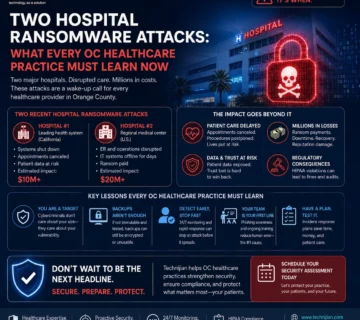
Two Hospital Ransomware Attacks: What Every OC Healthcare Practice Must Learn Now

Two Hospital Ransomware Attacks in 60 Days: What Every OC Healthcare Practice Must Learn Now 

In 2026, healthcare organizations across the U.S. faced severe ransomware attacks that disrupted patient care and exposed critical data. Practices in Orange County must understand the growing threat, which targets not only large hospitals but also small clinics and medical offices. This blog explores the latest ransomware trends, their impact on patient safety, and essential lessons for securing healthcare IT systems, including backup strategies, third-party vendor risks, and the importance of multi-factor authentication (MFA). With rising ransomware threats, every healthcare practice must act proactively to protect their operations and patient data. ... Read More
Healthcare cybersecurity Irvine

Cybersecurity for Irvine Medical Offices: The 2026 Threat Landscape and the 8 Defenses Every Practice Needs Now  

Healthcare cybersecurity Irvine is becoming critical as ransomware attacks, AI-powered phishing, and data breaches increasingly target medical practices. In 2026, small and mid-sized clinics face the same threats as large hospitals but often lack the necessary defenses. This guide explores the evolving threat landscape and outlines essential strategies—such as MFA, 24/7 monitoring, network segmentation, and HIPAA-compliant practices—to help healthcare providers protect patient data, maintain compliance, and ensure uninterrupted care. ... Read More
Ascension healthcare data breach

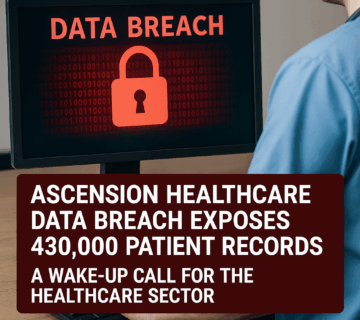
Ascension Healthcare Data Breach Exposes 430,000 Patient Records: A Wake-Up Call for the Healthcare Sector

The provided text discusses a significant data breach at Ascension, a large healthcare system, which exposed sensitive information for over 430,000 patients. It highlights that the breach stemmed from a vulnerability in a third-party vendor's software and points to a pattern of cybersecurity issues within Ascension and the broader healthcare sector. The article outlines the types of data compromised, the consequences of the breach, and suggests steps individuals can take to protect themselves from potential fraud and identity theft following such incidents. Finally, it offers services to help healthcare organizations improve their cybersecurity posture. ... Read More
HIPAA Security Rule Updates

New HIPAA Security Rule Updates Strengthen Cybersecurity for Healthcare Data

The Office for Civil Rights (OCR) has proposed significant updates to the HIPAA Security Rule to strengthen the protection of electronic protected health information (ePHI). These updates mandate enhanced security measures, including encryption, multi-factor authentication, and regular audits. The proposed changes aim to modernize compliance standards and improve the healthcare industry's resilience against cyberattacks. A public comment period is open for feedback, after which final implementation timelines will be announced. The changes affect covered entities and their business associates, requiring them to update their cybersecurity practices to meet the new requirements. These updates aim to create a more robust and detailed cybersecurity framework for the healthcare sector. ... Read More