
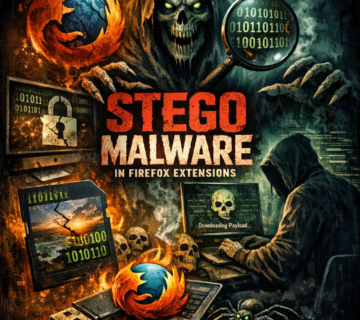
GhostPoster: Steganography Malware

GhostPoster Attacks Hide Malicious JavaScript in Firefox Addon Logos

GhostPoster that compromised over 50,000 Firefox browsers by concealing malicious JavaScript code within the logo images of popular extensions using a technique called steganography. This threat avoids detection through delayed activation (48 hours) and probabilistic payload delivery, making it extremely difficult for standard security tools to identify. Once active, the malware performs financial fraud by hijacking affiliate links, injects pervasive tracking code onto every website visited, and weakens browser defenses by stripping security headers. The text concludes with an urgent call for users to manually remove the compromised extensions and for businesses to adopt proactive extension whitelisting and specialized browser security audits to defend against such complex, evasive threats. ... Read More
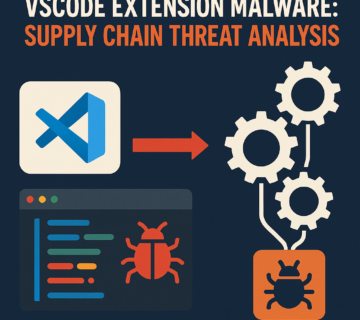
VSCode Extension Malware

Malicious VSCode Extensions Infiltrate Microsoft’s Registry with Information-Stealing Malware

Recent discovery of malicious extensions targeting Microsoft’s Visual Studio Code (VSCode) Marketplace, specifically naming “Bitcoin Black” and “Codo AI.” It explains how these extensions function as sophisticated information stealers by using techniques like DLL hijacking and hidden execution to compromise developer workstations and exfiltrate credentials, browser sessions, and cryptocurrency wallets. The analysis highlights the critical vulnerability in the software supply chain when developer tools are compromised, leading to far-reaching consequences for organizations. Finally, the text transitions into a discussion about best practices for developers and organizations to mitigate these supply chain risks, including extension vetting and using advanced endpoint security measures, before introducing the company Technijian as a provider of specialized security services to counter these threats. ... Read More