Open-Source Security – Balancing Innovation with Protection

Open-source security has become a critical focus as more organizations adopt open-source software for flexibility, cost savings, and innovation. While open-source tools offer transparency and community-driven improvements, they also come with potential risks. Publicly available code can be targeted by cybercriminals who exploit unpatched vulnerabilities or poorly maintained components. Without proper oversight, outdated libraries or weak dependencies can create major security gaps. To ensure open-source security, businesses must actively manage dependencies, apply updates promptly, and monitor for newly discovered vulnerabilities. Automated scanning tools and software composition analysis (SCA) can help detect risks early in the development cycle. Additionally, engaging with trusted open-source communities and contributing to security best practices can enhance both protection and code quality. As open-source adoption continues to grow, integrating strong security protocols is essential to protect digital assets and maintain trust in the software supply chain.

TeamPCP Hackers Focus on AI Developers

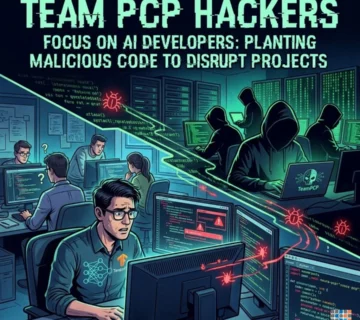
TeamPCP Hackers Focus on AI Developers, Planting Malicious Code to Disrupt Projects

A sophisticated threat actor group called TeamPCP has executed one of the most damaging supply chain attacks targeting the AI development community. By first compromising Trivy, a popular open-source vulnerability scanner, they obtained credentials that allowed them to inject malicious code into LiteLLM — a widely used AI gateway framework — reaching an estimated 95 million developers worldwide. This blog breaks down how the attack unfolded, how TeamPCP leveraged AI tools, and what organizations must do to protect their AI development pipelines. Contact Technijian to strengthen your defenses. ... Read More
Sophisticated NPM Attack

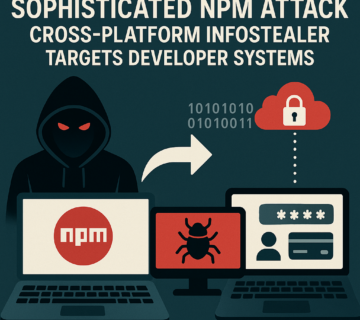
Sophisticated NPM Attack: Cross-Platform Infostealer Targets Developer Systems

A highly sophisticated supply chain attack that infiltrated the npm registry using ten malicious packages, exposing thousands of developers to credential theft. This attack was successful due to typosquatting and the use of a four-layer code obfuscation strategy that bypassed traditional security tools for nearly four months. The cross-platform infostealer targeted Windows, Linux, and macOS systems to harvest critical developer credentials, including SSH keys, API tokens, browser cookies, and system passwords, posing a severe risk to corporate infrastructure. The text concludes by outlining immediate remediation steps and promoting Technijian's comprehensive security services designed to protect development environments against such complex supply chain threats and assist with incident response. ... Read More
GitHub Supply Chain Attack: CI/CD Secrets Exposed

GitHub Supply Chain Attack Exposes 23,000 Repositories – What You Need to Know

A significant supply chain attack on GitHub compromised approximately 23,000 repositories by exploiting a popular GitHub Action. The attackers tampered with the tj-actions/changed-files Action to steal sensitive CI/CD secrets from build logs. This incident underscores the growing threats to open-source security, necessitating immediate action from developers to rotate secrets and adopt more secure practices. The article details the attack's timeline, impact, and crucial steps for users to secure their GitHub repositories and CI/CD pipelines, emphasizing the shared responsibility in maintaining a secure development ecosystem. ... Read More