Threat Detection – Staying Ahead of Cybersecurity Risks

Threat detection is a critical component of modern cybersecurity strategies, allowing organizations to identify and respond to potential attacks before they cause significant harm. It involves monitoring networks, systems, and applications for unusual activity, unauthorized access, or known attack patterns. With the rise of sophisticated threats like ransomware, phishing, and zero-day exploits, real-time threat detection has become more essential than ever. Advanced tools powered by AI and machine learning help security teams analyze vast amounts of data, spot anomalies, and automate responses to minimize damage. By implementing proactive threat detection systems, businesses can reduce response times, prevent data breaches, and protect sensitive information. Regular updates, staff training, and continuous monitoring further enhance a company’s ability to stay ahead of cybercriminals. In today’s digital world, effective threat detection isn’t optional—it’s a necessity for long-term security and resilience.

MalDoc in PDF

MalDoc in PDF: How Attackers Use Word Files in PDFs to Evade Security

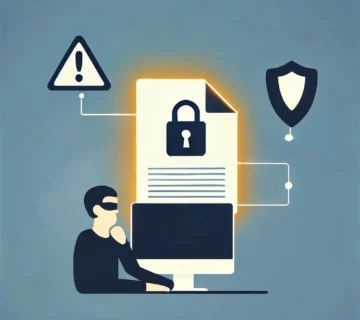
Cyberattack method called MalDoc in PDF, where malicious Word files are concealed within seemingly harmless PDF documents to bypass security defenses. This technique exploits the dual nature of the file; when opened with a PDF reader, it appears benign, but opening it with Microsoft Word triggers embedded malicious macros that can compromise systems. Traditional security measures often fail to detect this threat because they primarily analyze the PDF structure and may overlook the embedded Word components. The document outlines how this attack works, its dangers, methods for detection using tools like OLEVBA and YARA rules, and preventative measures such as disabling automatic macros and strengthening email security. ... Read More