Google Takes a Stand: Gemini Won’t Have Ads While ChatGPT Embraces Advertising
🎙️ Dive Deeper with Our Podcast!
The artificial intelligence landscape witnessed a significant divergence in business strategy this week as Google firmly declared that its Gemini AI assistant will remain ad-free, even as OpenAI moves forward with plans to introduce advertisements into ChatGPT. This contrasting approach highlights the different philosophies guiding two of the industry’s biggest players as they navigate the challenge of monetizing their AI products.
During discussions at the World Economic Forum in Davos, Switzerland, Google DeepMind CEO Demis Hassabis made clear that the company has no immediate intentions of placing advertisements within Gemini. The statement comes at a crucial moment, as OpenAI recently began testing advertising formats with certain ChatGPT users in the United States, marking a watershed moment for commercial AI platforms.
The ChatGPT Advertising Experiment Begins
OpenAI has launched a testing phase for advertisements that will affect users on both free accounts and the $8-per-month Go subscription tier. The company’s strategy involves displaying sponsored content at the bottom of chat responses, but only when the advertisement relates directly to the ongoing conversation topic.
The implementation appears thoughtfully designed to minimize disruption. Users will receive contextual information explaining why specific ads appear, along with options to dismiss them and provide feedback about their experience. OpenAI has also established boundaries around sensitive content, pledging that advertisements will not appear during conversations about health issues, mental health concerns, or political topics.
For users seeking an entirely ad-free experience, OpenAI maintains that its premium subscription levels—Plus, Pro, Business, and Enterprise—will continue without any advertising presence. This tiered approach allows the company to generate revenue while still offering choices to users based on their preferences and budgets.
Google’s Philosophical Stance on AI Monetization
Hassabis’s comments revealed more than just a simple business decision. He expressed interest in OpenAI’s choice to introduce advertising “so early” in ChatGPT’s development, suggesting that the move might reflect pressure to increase revenue streams. This observation raises questions about the financial sustainability models different companies are pursuing in the competitive AI space.
Google’s position carries particular weight given the company’s advertising heritage. As one of the world’s largest advertising platforms, Google certainly possesses both the infrastructure and expertise to monetize Gemini through ads if it chose to do so. The deliberate decision to avoid this path, at least for now, suggests strategic considerations that extend beyond immediate revenue generation.
The tech giant may be betting that keeping Gemini ad-free will serve as a competitive advantage, particularly among users who value uninterrupted AI interactions. This approach could also protect the user experience during Gemini’s continued development and refinement phases.
Why OpenAI Chose the Advertising Route
The introduction of ads into ChatGPT represents a significant shift for OpenAI. The company has stated that advertising revenue will help reduce usage limits for free users and potentially maintain free access for broader audiences without altering the quality or nature of the AI’s responses.
This reasoning suggests that OpenAI faces real economic pressures in sustaining its service at scale. Operating large language models requires substantial computational resources, and the costs associated with serving millions of users daily can be staggering. By diversifying revenue beyond subscriptions alone, OpenAI may be positioning itself for more sustainable long-term operations.
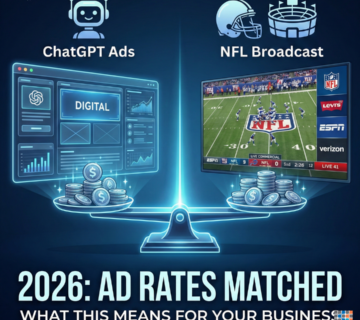
The advertising model also opens doors for businesses to reach highly engaged users at moments when they’re actively seeking information or solutions. This contextual relevance could make ChatGPT advertisements more effective than traditional display ads, potentially commanding premium rates from advertisers.
The User Experience Factor
User reception to these diverging strategies will likely shape future decisions by both companies. ChatGPT’s ad implementation appears carefully calibrated to avoid overwhelming users, but even subtle advertising can affect how people perceive and interact with AI assistants.
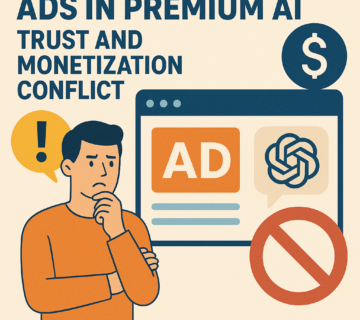
For many users, AI chatbots have become trusted resources for everything from research and learning to creative projects and problem-solving. The introduction of commercial messaging into these interactions fundamentally changes the relationship between user and platform. Questions naturally arise about whether sponsored content might influence answer quality or introduce subtle biases over time.
Google’s decision to keep Gemini ad-free may attract users who prioritize a clean, uninterrupted experience. However, this approach also means Google must find alternative monetization methods or subsidize Gemini through other revenue streams if it wants to compete effectively with ChatGPT’s growing capabilities and reach.
Implications for the AI Industry
This split in strategy between two industry leaders sets an important precedent for the broader AI ecosystem. Smaller companies and startups will be watching closely to see which approach proves more successful, both financially and in terms of user satisfaction and retention.
The decisions made now will influence how people think about AI tools in the future. Will users accept advertisements as a normal part of AI interactions, similar to how ads became ubiquitous on social media and search engines? Or will demand for premium, ad-free AI experiences create a market divided between basic, ad-supported services and premium offerings?
There’s also the question of how advertising might affect AI development priorities. If ad revenue becomes significant, companies might optimize their AI systems not just for accuracy and helpfulness, but also for ad placement opportunities and user engagement metrics that favor commercial outcomes.
Transparency and Trust Considerations
Both companies face critical trust considerations as they navigate these business models. OpenAI’s commitment to transparency about why ads appear and when users can expect them represents an important step. Similarly, Google’s straightforward acknowledgment that while Gemini currently won’t have ads, future decisions remain open demonstrates honest communication with users.
Maintaining user trust becomes even more essential as AI systems become more deeply integrated into daily workflows, decision-making processes, and creative endeavors. Any perception that commercial interests are influencing AI responses could severely damage the credibility these platforms have worked to establish.
The companies that succeed in balancing monetization needs with user trust and experience quality will likely emerge as leaders in the next phase of AI development. This balance requires ongoing dialogue with users, transparent policies, and willingness to adjust strategies based on feedback and outcomes.
What This Means for Future AI Development
The contrasting paths chosen by Google and OpenAI reflect broader questions about how transformative technologies should be funded and sustained. The AI industry requires massive capital investment for research, development, and infrastructure, yet the optimal way to recoup these costs while serving public interest remains unclear.
Some experts argue that advertising-supported models make advanced AI accessible to wider audiences who cannot afford subscription fees. Others contend that keeping AI tools ad-free preserves their utility as neutral information resources and creative partners.
As these experiments unfold, the market will provide feedback through user adoption patterns, revenue results, and competitive dynamics. Other major players in the space, including Microsoft, Meta, and various startups, will undoubtedly monitor these developments as they refine their own monetization strategies.
The Role of Competition in Shaping Policy
Competition between Google and OpenAI may ultimately benefit users by creating choices in the marketplace. Users who strongly object to AI advertisements can choose Gemini, while those who prefer free access funded by advertising can continue with ChatGPT’s free tier.
This competitive dynamic may also prevent either company from straying too far from user preferences. If ChatGPT’s advertising becomes too intrusive or affects answer quality, users can switch to Gemini. Conversely, if Google struggles to sustain Gemini without advertising revenue and service quality declines, ChatGPT gains a competitive advantage despite its ads.
The presence of viable alternatives empowers users to vote with their attention and loyalty, which should incentivize both companies to keep user experience at the forefront of their decisions.
Frequently Asked Questions
Will Gemini ever have advertisements?
Google DeepMind CEO Demis Hassabis has stated that Gemini currently will not feature advertisements. However, the company has not completely ruled out the possibility for the future, leaving the door open for strategy adjustments as the platform evolves and market conditions change.
Which ChatGPT users will see ads?
Advertisements in ChatGPT will appear for users on free accounts and the $8-per-month Go subscription tier. Users with Plus, Pro, Business, or Enterprise subscriptions will continue to enjoy an ad-free experience as part of their premium service.
How will ChatGPT ads appear in conversations?
Ads will display at the bottom of chat responses and will only appear when there is a relevant sponsored product or service connected to the current conversation topic. Users can see explanations for why specific ads appear and have the option to dismiss them and provide feedback.
Are there topics where ChatGPT won’t show ads?
Yes, OpenAI has committed to not displaying advertisements during conversations about sensitive topics including health, mental health, and politics. This policy helps maintain the integrity of discussions around these important subjects.
Why is OpenAI adding ads to ChatGPT?
OpenAI has explained that advertising revenue will help reduce usage limits for free users and maintain free access for more people without affecting how the AI generates answers. The move addresses the substantial costs associated with operating AI systems at scale.
Can I avoid ChatGPT ads without paying?
Currently, there is no option to avoid ads on the free tier or Go subscription without upgrading to a premium tier. However, OpenAI has designed the ad experience to be minimally intrusive, with dismissal options and restrictions on sensitive topics.
How does this affect the quality of AI responses?
OpenAI has stated that advertising will not change how answers work. The AI’s core functionality and response quality should remain consistent regardless of whether ads appear. However, long-term effects on user perception and trust remain to be seen as the program expands.
What makes Google confident it can sustain Gemini without ads?
Google has extensive revenue streams from its search engine, cloud services, and existing advertising platforms that may subsidize Gemini’s operations. The company may view Gemini as a strategic investment that enhances its broader ecosystem rather than requiring immediate direct monetization.
How Technijian Can Help
At Technijian, we understand that navigating the rapidly evolving AI landscape can feel overwhelming, especially as business models shift and new features emerge. Our team specializes in helping businesses and individuals leverage AI tools effectively while making informed decisions about which platforms best serve their specific needs.
Whether you’re considering implementing AI assistants into your workflow, evaluating the best options for your team, or simply trying to understand how these changes affect your current AI usage, Technijian provides expert guidance tailored to your situation. We stay current with industry developments, test emerging platforms, and provide practical recommendations based on real-world performance rather than marketing promises.
Our services include AI strategy consulting, implementation support, training programs for teams adapting to new AI tools, and ongoing optimization to ensure you’re getting maximum value from your AI investments. We help you understand the trade-offs between different platforms, including considerations around privacy, cost, functionality, and user experience.
As the AI industry continues to mature and monetization models evolve, having a knowledgeable partner who can cut through the noise and focus on what matters for your specific goals becomes increasingly valuable. Technijian brings technical expertise combined with business acumen to help you make smart decisions in this dynamic environment.
Contact Technijian today to discuss how we can support your AI journey, whether you’re just beginning to explore these tools or looking to optimize and expand your existing AI capabilities. Let us help you stay ahead of industry changes while focusing on what you do best—running your business or pursuing your creative and professional goals.
About Technijian
Technijian is a premier managed IT services provider in Irvine, specializing in delivering secure, scalable, and innovative AI, SEO, and technology solutions across Orange County and Southern California. Founded in 2000 by Ravi Jain, what started as a one-man IT shop has evolved into a trusted technology partner with teams of engineers, AI specialists, cybersecurity professionals, and digital marketing experts both in the U.S. and internationally.
Headquartered in Irvine, we provide comprehensive cybersecurity solutions, IT support, AI implementation services, cloud services, and search engine optimization (SEO) and digital visibility solutions throughout Orange County—from Aliso Viejo, Anaheim, Costa Mesa, and Fountain Valley to Newport Beach, Santa Ana, Tustin, and beyond. Our extensive experience with enterprise telecommunications and security deployments, combined with our expertise in SEO-driven growth strategies and our deep understanding of local business needs, makes us the ideal partner for organizations seeking solutions that deliver real protection, online visibility, and operational efficiency.
We work closely with clients across diverse industries, including healthcare, finance, law, retail, and professional services, to design integrated technology and SEO strategies that reduce risk, enhance productivity, improve search rankings, and strengthen digital presence while maintaining the highest protection standards. Our Irvine-based office remains our primary hub, delivering the personalized service and responsive support that businesses across Orange County have relied on for over two decades.
With expertise spanning cybersecurity, managed IT services, telecommunications, AI implementation, SEO and digital marketing, consulting, and cloud solutions, Technijian has become the go-to partner for small to medium businesses seeking reliable technology infrastructure and measurable online growth. Whether you need 3CX deployment in Irvine, telecommunications optimization in Santa Ana, IT consulting in Anaheim, or SEO services to increase visibility and lead generation, we deliver solutions that align with your business goals and operational requirements.
Partner with Technijian and experience the difference of a local IT company that combines global technology expertise, SEO-driven growth, and community-focused service. Our mission is to help businesses across Irvine, Orange County, and Southern California harness the power of advanced technology and digital marketing to stay protected, visible, efficient, and competitive in today’s digital world.